Community
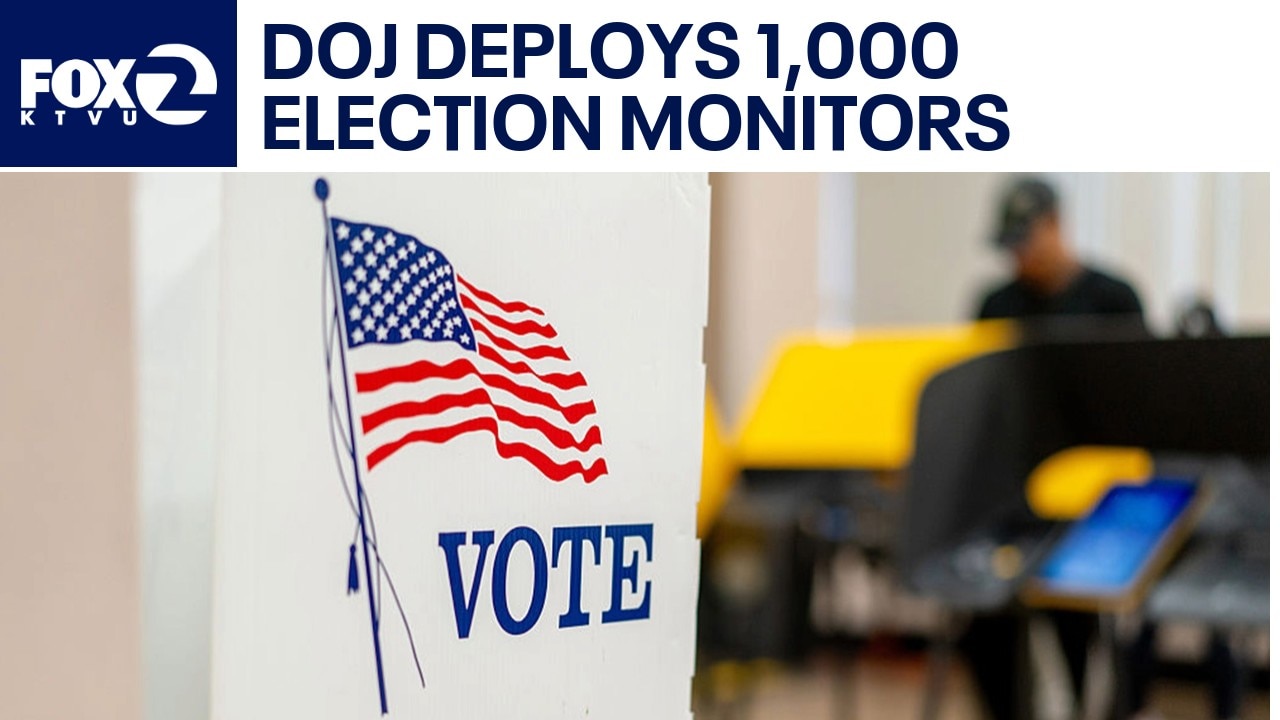
DOJ sends 1,000 election monitors to cities across the U.S.
By Katherine Langford
Advertisement · Why this ad?
Katherine oversees editorial operations across all six brands. Before joining The Meridan Group, she spent 14 years at the Minneapolis Star Tribune, where she led the metro desk through its digital transformation. She holds a Master's in Journalism from Northwestern's Medill School.
More from Katherine →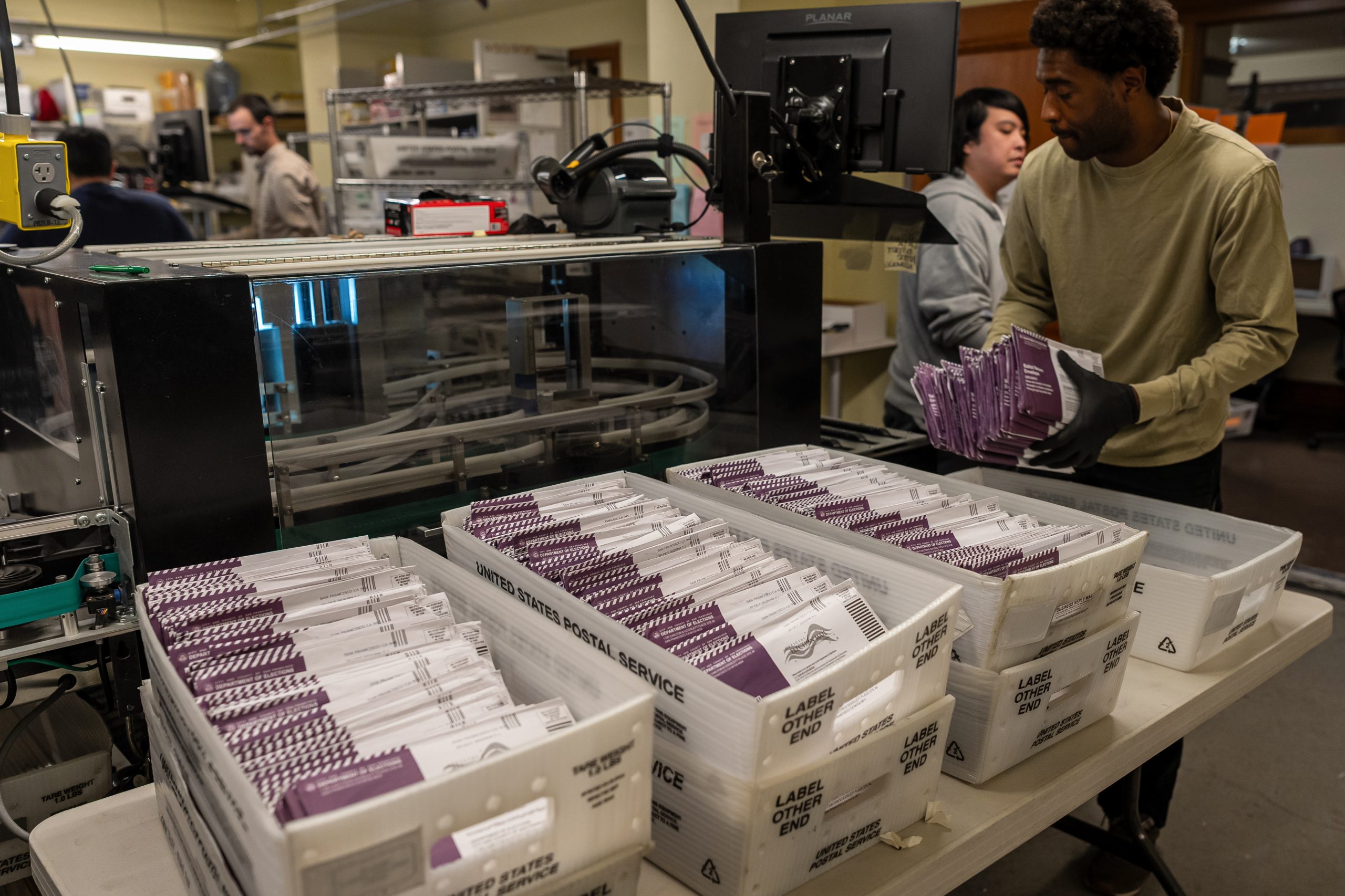
As the sun rose over Atherton on November 3rd, residents prepared for a pivotal day in California's political landscape. The air buzzed with anticipation as neighbors exchanged thoughts on the propositions that would shape the state's future. One of the most talked-about measures was Proposition 40, a one-time tax on billionaires that has drawn both support and criticism across the state. With ballots cast and voices raised, the community's engagement in this democratic process was palpable.
On Election Day, California voters faced a significant decision with 14 propositions on the ballot. Among them, Proposition 40 stood out, proposing a 5% tax on individuals with assets exceeding $1 billion. This tax would encompass a wide range of wealth, including investment assets, private business interests, and retirement funds. The measure aims to generate revenue that could be directed towards public services, addressing pressing issues such as healthcare and education.
Ballot drop-off boxes across the state opened on October 5, allowing voters ample time to make their voices heard. The deadline for submitting ballots was set for 8 p.m. on November 3, with options to return them by mail or at designated county election offices. State officials emphasized the importance of timely mailing, advising voters to ensure their ballots were postmarked by Election Day to be counted.
Proposition 40 is not the only measure capturing attention. Other notable propositions include Prop 39, which seeks to change voter identification requirements, and Prop 37, aimed at establishing a second-mortgage homebuyer program. Each of these measures reflects California's ongoing dialogue about governance, equity, and community needs.
In Atherton, where affluence meets a strong sense of civic duty, residents expressed diverse opinions on the propositions. Local business owner Sarah Thompson shared her thoughts on Proposition 40: "I believe that those who have benefited the most from our economy should contribute more to support public services. It’s about fairness and ensuring our community thrives together."
Conversely, some residents voiced concerns about the implications of taxing billionaires. John McKenzie, a longtime Atherton resident, stated, "While I understand the need for funding, I worry that such taxes could drive businesses and wealthy individuals out of California, ultimately harming our economy." This sentiment echoes a broader debate within the state, as residents grapple with the balance between generating revenue and fostering an environment conducive to growth.
The enthusiasm surrounding the election was evident in community gatherings leading up to November 3. Local organizations hosted forums and discussions, providing residents with platforms to voice their opinions and learn more about each proposition. The Atherton Civic Engagement Committee played a crucial role, organizing events aimed at demystifying the propositions and encouraging informed voting.
"We want every voice to be heard, and we believe that understanding these measures is key to making informed decisions," said committee chair Emily Rodriguez. The committee's efforts reflect a commitment to fostering an engaged citizenry, essential for the health of any democracy.
Proposition 40's potential to reshape the state's fiscal landscape has drawn significant attention not just in Atherton but across California. Advocates argue that the funds generated from this billionaire tax could provide much-needed resources for public education, infrastructure improvements, and healthcare services that have suffered from budget cuts in recent years. This proposition could serve as a model for other states grappling with wealth inequality and the need for robust public services.
Critics, however, warn that such a tax could have unintended consequences. They argue that imposing a tax on the wealthy could discourage investment in the state, leading to a potential exodus of high-net-worth individuals and businesses. This concern is particularly relevant in a community like Atherton, where many residents are entrepreneurs and business leaders who contribute significantly to the local economy.
As the ballots are counted and results begin to emerge, the implications of these propositions will unfold. If Proposition 40 passes, California will embark on a new chapter in its fiscal policy, potentially setting a precedent for how wealth is taxed in the state. This could lead to increased funding for education, healthcare, and infrastructure, addressing long-standing challenges faced by many communities.
However, the outcome of Proposition 39, which seeks to modify voter ID requirements, could also reshape the electoral landscape. Advocates argue that such changes would enhance security and integrity in the voting process, while opponents express concerns about accessibility and disenfranchisement. The tension between ensuring fair elections and making voting accessible remains a critical discussion point.
As the community reflects on the election results, local leaders are encouraging residents to remain engaged in the political process. Mayor Lisa McCarthy emphasized the importance of civic participation, stating, "Regardless of how the propositions turn out, our community must stay involved and advocate for policies that reflect our values and needs. Our voices matter, and we have the power to influence change."
In the coming weeks, Atherton will likely see continued discussions and forums as residents process the implications of the election. Local organizations are planning follow-up meetings to analyze the outcomes and strategize on how to address the ongoing challenges facing the community. This proactive approach is vital for ensuring that the voices of Atherton residents continue to be heard in the halls of power.
Residents seeking to understand the implications of these propositions can access a wealth of resources. The California Secretary of State's website provides comprehensive information on all 14 propositions, including official summaries and analyses. Additionally, local organizations such as the League of Women Voters offer nonpartisan guides to help voters navigate the complexities of the ballot.
For those interested in the broader context of California's political landscape, the Public Policy Institute of California (PPIC) regularly publishes research and polling data, offering insight into voter sentiment and potential outcomes. These resources empower voters to make informed decisions and actively participate in shaping their community.
As Atherton residents await the election results, the importance of civic engagement remains clear. Regardless of the outcomes, the discussions sparked by these propositions will continue to resonate within the community. Local leaders and residents alike are encouraged to remain involved, advocating for policies that align with their values and priorities.
The upcoming weeks will be crucial as the community reflects on the implications of the election and prepares for future opportunities to engage in the democratic process. With a commitment to strong families, stable communities, and authentic faith, Atherton stands poised to navigate the challenges ahead with resilience and unity.
By Katherine Langford

By Marcus Chen

By Marcus Chen

By Marcus Chen